
Ukraine's Connectivity: A New Era Without Starlink
Ukrainian forces and allies are urgently seeking alternatives to Starlink after recent service disruptions raised concerns about long-term reliability.
By Amir Mwangi ·
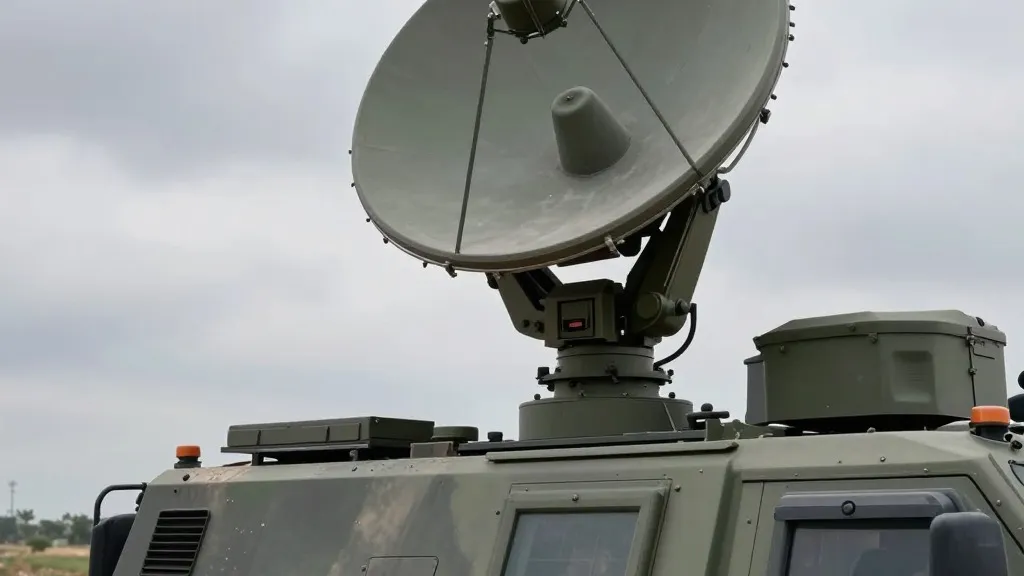
Ukraine is learning to fight without its most trusted satellite link.
The numbers behind this shift are stark. For years, Elon Musk’s Starlink has been the backbone of Ukraine’s communications. It handles high-speed internet for civilians and vital data streams for the military. The system supports remote drone control for air defense and strikes against Russian targets. However, recent surprise outages have changed the mood. Service reliability is now in question. This instability is driven by Musk’s political moves. These factors have forced Ukraine and Europe to ask a hard question. How do they move forward if Starlink is no longer a guaranteed asset?
The technology itself is widely recognized as superior. Starlink is the world’s largest communications satellite network. It works with compact terminals. This makes it easy to deploy on any vehicle or for individual users. A representative from BlueBird Tech, a Ukrainian defense firm, spoke on condition of anonymity for security. He noted that Starlink offers some of the best coverage available. He stated there are virtually no competitors when cost, availability, and ease of use are considered. He explained that the main practical limitation is physical. Antennas must be positioned correctly to receive satellite signals. This hardware reality remains unchanged regardless of political shifts.
The financial and logistical support from allies has been massive. The US government and European nations, including Poland and Germany, have paid SpaceX for tens of thousands of commercial terminals. These devices were sent directly to Ukraine. The allies also covered the ongoing subscription fees. This funding model kept the network running for years. It allowed the Ukrainian military to integrate Starlink into its core operations. The partnership was so deep that it became a critical piece of infrastructure. Now, that infrastructure is being tested by external political pressures.
A military-grade option exists to bridge the gap. The US government has given Ukraine’s military access to Starshield. This is a specialized version of the service. Ukrainian defense companies are using it to test their own technologies. They do this in cooperation with the military. The BlueBird Tech representative confirmed this arrangement. It provides a backup plan while the commercial service falters. However, it does not fully replace the widespread commercial network. The stakes are high for the ongoing resistance.
The urgency of the situation is clear. Ukraine and Europe are facing a potential disconnect. The reliance on a single service provider has created a vulnerability. Recent disruptions highlight this risk. The military needs stable links to control drones and coordinate strikes. Civilians need internet for daily life and coordination. The search for alternatives is now a top priority. The goal is to ensure communications remain stable regardless of political winds. The coming months will show if this transition can happen smoothly.
Source: Ars Technica · original report published