Tesla Confirms Cybercab Customer Deliveries Before 2026 Ends
Tesla has set a firm timeline for the public to purchase its autonomous two-seater, shifting the focus from internal testing to limited retail sales by year-end.
By Amir Mwangi ·
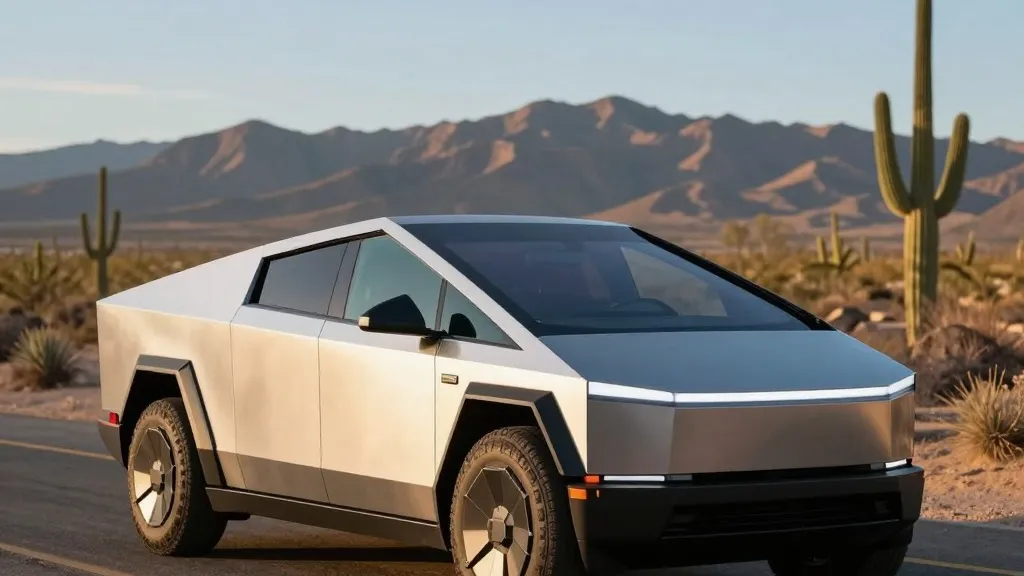
Tesla has officially confirmed that customers will be able to purchase the Cybercab before the close of 2026, marking a decisive shift from months of speculation regarding the availability of the company’s first fully autonomous, purpose-built vehicle. This announcement puts an end to uncertainty about whether the robotaxi would remain strictly an internal fleet asset or transition into a consumer product in the immediate future. By locking in this date, Tesla signals that the vehicle is ready for the next phase of its lifecycle, moving beyond the pilot stages that have defined its rollout since early this year.
The definitive timeline was established during Tesla’s third-quarter 2026 earnings call held on October 21. Lars Moravy, the Vice President of Engineering, provided the specific target for the market. He stated, “We’re trying to get Cybercabs to customers by the end of this year, 2026.” This statement clarifies the company’s intent to move the vehicle from production lines to private hands, albeit with a specific operational strategy that differs from traditional car sales. The confirmation comes at a critical juncture for the automaker, as it balances the scaling of its autonomous technology with the logistical complexities of introducing a new vehicle class to the public.
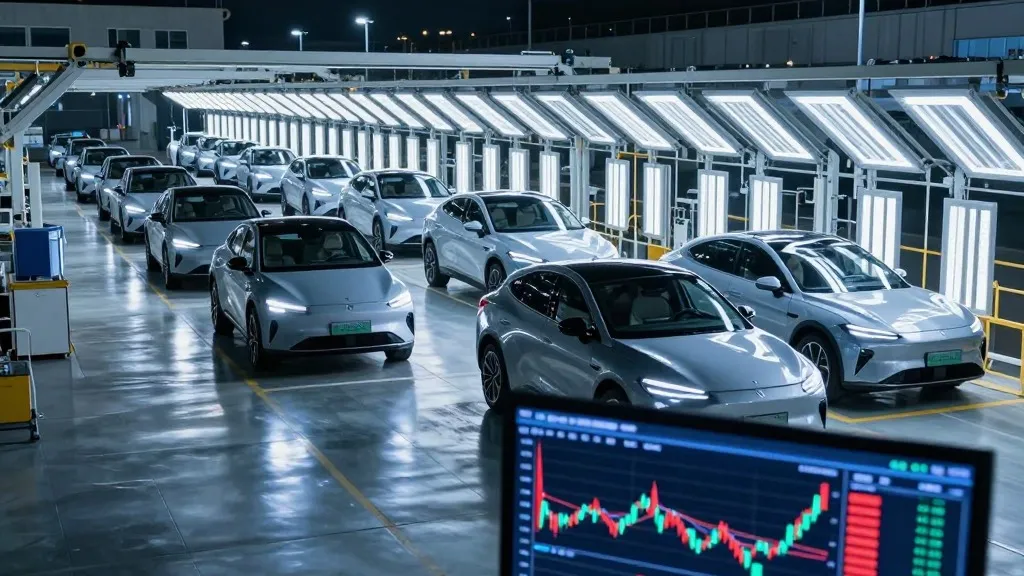
To understand how this milestone was reached, it is necessary to look at the production and deployment trajectory over the past several months. Production of the Cybercab began in February at the Gigafactory Texas. Since then, the vehicle has been manufactured without a steering wheel or pedals, relying entirely on Tesla’s Full Self-Driving suite. For the first few months of production, units were not sold to the public but were instead integrated into Tesla’s internal operations. This allowed the company to test the vehicle’s autonomy in real-world conditions before exposing it to individual owners.
The transition from internal testing to public service accelerated in early September. At that time, Tesla launched rides to the public, placing early Cybercab units into its Robotaxi service. This step was crucial for validating the vehicle’s performance and safety metrics in a commercial setting. By mid-October, the company had gathered sufficient data to feel confident in extending ownership options to customers. The current status is that production is actively underway, but the initial batch of vehicles is being directed toward the company’s own fleet rather than individual buyers.
As the company moves toward customer deliveries, the structure of these sales is distinct from previous Tesla models. Moravy explained that as operations scale, the company will “mainly deliver fully designed autonomous vehicles to our customers,” with the Cybercab serving as the inaugural example. However, the initial rollout will be modest. Tesla plans to start small to build experience in several key areas, including delivery logistics, ownership models, and fleet management. This cautious approach is designed to mitigate risks associated with operating autonomous vehicles outside of Tesla’s direct, centralized control. The company is essentially learning how to support a decentralized network of owned autonomous vehicles while maintaining high operational standards.
CEO Elon Musk reinforced this strategic direction during the same call, emphasizing that the Cybercab is not intended to be a standard personal vehicle. He described the car primarily as a “transport-as-a-service” offering, distinguishing it from the Model 3, Model Y, and the upcoming Roadster. Musk stated, “The vast majority of the Cybercab stuff will be Tesla-owned and transport-as-a-service.” This positioning suggests that while individuals will be able to purchase the unit, the primary business model remains focused on providing mobility services rather than simply selling hardware. The vehicle is designed to function as a node in a broader transportation network, even when privately owned.
The Cybercab itself is a two-seater vehicle that represents a significant departure from Tesla’s traditional lineup. By eliminating the steering wheel and pedals, the company has created a vehicle that is entirely dependent on its autonomous software. This design choice underscores the company’s confidence in its Full Self-Driving technology. The vehicle has been in production since February, and its early deployment in the Robotaxi service in September provided a real-world testbed. Tesla has previously indicated a target price of approximately $30,000 for the vehicle, a figure that remains relevant as the company prepares for customer deliveries. The price point is competitive with entry-level sedans, potentially making autonomous ownership accessible to a broader demographic.
Looking ahead, the path to widespread adoption involves navigating regulatory and technical hurdles. Ashok Elluswamy, Tesla’s Head of AI, indicated during the call that unsupervised Full Self-Driving is expected to ship to consumer cars during the second quarter of 2027. This timeline is slightly later than the Cybercab’s customer delivery date, suggesting that early Cybercab owners may experience some limitations in their vehicle’s autonomous capabilities. Specifically, early buyers or fleet operators may receive vehicles whose autonomous operation remains geographically restricted due to the pace of regulatory agencies. This means that while the car will be autonomous, its range of operation may be limited to specific zones until broader regulations are finalized.
There are still hurdles to clear before these deliveries become a common occurrence. The company must refine its logistics for handing over a vehicle that does not require human input for driving. It must also establish support structures for owners who are relying on software updates and remote monitoring. The next few months will be critical as Tesla transitions from a centralized fleet model to a hybrid model that includes private owners. For the Southwest and other regions where Tesla has a strong presence, this shift could mean seeing more of these unique two-seaters on local roads within the next few weeks. The announcement marks the end of the speculation phase and the beginning of the commercialization phase for Tesla’s most ambitious autonomous vehicle to date.
The move to sell the Cybercab to customers by year-end is a significant step for Tesla’s automotive strategy. It validates the vehicle’s readiness for the market and provides a clear roadmap for consumers interested in owning a fully autonomous car. While the initial volumes will be low, the precedent set by these early deliveries will shape the future of Tesla’s autonomous vehicle lineup. As the company gains experience in managing a mix of fleet and privately owned Cybercabs, it may expand the program more broadly. For now, the focus is on executing the first wave of deliveries smoothly, ensuring that the transition from a company-run service to a customer-owned asset is seamless. The year-end deadline is now the primary metric by which this progress will be measured.
Source: Teslarati · original report published
More Business · Unethical Practices · Report a business · Got a Story?