The $399 Music Player That Redefined Portable Audio 25 Years Ago
A quarter-century ago, Apple introduced a compact device that made owning a thousand songs affordable for the average consumer.
By Bianca Zhao ·
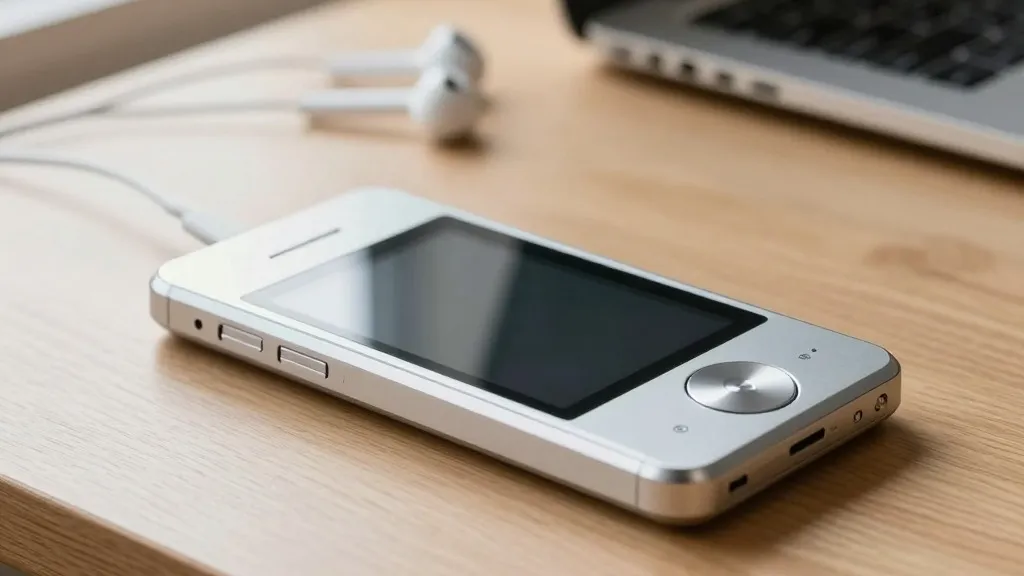
For consumers in the early 2000s, the cost of carrying a substantial music collection was a significant barrier to entry. On October 23, 2001, Apple removed that hurdle by unveiling the original iPod, a device priced at $399 that promised to fit an entire library into a pocket-sized form factor. This launch marked a pivotal moment in consumer electronics, shifting the market from niche digital players to a mass-market standard for personal audio.
The introduction of the device occurred during a critical period for the company. Apple had recently stabilized its fortunes following the dot-com bubble burst, having successfully transitioned from its earlier beige aesthetic to the Mac OS X era. With iBooks and iMacs performing well, CEO Steve Jobs positioned the new product as the next step in creating a unified digital lifestyle. He argued that the Mac should serve as the central hub for various digital media, including cameras, camcorders, and portable music players.
At the time of the announcement, the portable audio market was fragmented among competitors such as Creative, Sonic Blue, and Sony. Jobs acknowledged that while these companies had products on the market, none had yet established a definitive recipe for digital music success. He identified hard-disk-based players as the optimal entry point, distinguishing them from the prevailing CD players, MP3 CD players, and flash-based devices available at the time.
The hardware specifications were central to the product's appeal. The device featured a 5GB hard drive, which allowed it to store approximately 1,000 songs. For the average user, this capacity represented their entire personal music collection. The compact size was made possible by a 1.8-inch hard drive manufactured by Toshiba, which was only 0.2 inches thick. This engineering allowed the player to measure 2.4 by 4 by 0.78 inches, roughly the size of a standard deck of playing cards, and weigh just 6.5 ounces.
Connectivity was a key differentiator in the market. Apple equipped the device with a FireWire 400 connection, which was significantly faster than the USB standards common at the time. Jobs claimed that transferring a full CD of music to the player took only five to 10 seconds, whereas USB transfers could take up to five minutes for the same amount of data. To fill the entire 1,000-song capacity, the process was estimated to take 10 minutes, compared to five hours for a USB-based competitor.
The user experience was designed to minimize friction. The device included a rechargeable lithium-polymer battery that provided 10 hours of continuous playback. Apple stated that the battery could be recharged to 80 percent in just one hour. The interface featured a scroll wheel with tactile feedback, designed for single-hand operation, allowing users to navigate playlists, artists, or specific songs quickly. The device also offered 20-minute skip protection to ensure uninterrupted listening.
Software integration was a cornerstone of the strategy. The launch coincided with the release of iTunes 2, which introduced features like MP3 CD burning and syncing support. The Auto-Sync feature ensured that any music library curated on a Mac was automatically updated on the player whenever the device was connected for charging or data transfer. This seamless integration reinforced the vision of the Mac as the center of the user's digital life.
The commercial success of the original device paved the way for a long product lineage. The iPod line remained a staple of Apple’s portfolio for over a decade, coexisting with the iPhone, which launched in early 2007. While the standalone music player eventually became redundant as smartphone capabilities expanded, the product line persisted until the final model, the 7th-generation iPod Touch, was released in May 2019. The line was officially discontinued in May 2022, marking the end of an era that began with a $399 player and 5GB of storage.
Source: Tom's Hardware · original report published
More Business · Unethical Practices · Report a business · Got a Story?