$1.2B Valuation Marks Launch of Genetically Engineered Military Dog Startup
Warhound exits stealth mode with $200M in funding to breed high-performance working dogs using Colossal Biosciences technology and Anduril hardware.
By Luka Tanaka ·
Warhound has officially emerged from stealth mode with a $200 million funding round that values the company at $1.2 billion. The new venture, backed by investors including Sequoia, 8VC, Corner Ventures, and In-Q-Tel, is a joint initiative between Colossal Biosciences and Anduril. The primary goal is to genetically engineer working dogs for the U.S. military, law enforcement, and emergency response teams, aiming to solve a critical shortage in specialized canine assets.
The launch addresses a significant gap in the current supply chain for military working dogs. According to the company’s announcement, more than 80% of the U.S. military’s working dogs are sourced from Europe. Furthermore, fewer than half of those imported animals are deemed fit for service. This reliance on foreign nations highlights a dwindling domestic supply of canines capable of performing high-stakes tasks such as bomb detection and search operations that are too dangerous for humans or too complex for current machine solutions.
Colossal Biosciences CEO Ben Lamm explained that the concept originated from a conversation with Anduril founder Palmer Luckey about a year ago. During their discussion, Luckey noted that more should be done to support the military’s canine units. Lamm subsequently researched the breeding practices of working dogs and identified that many fail training due to inherited genetic issues, such as poor eyesight, cancer predispositions, hip dysplasia, or muscle atrophy. This research led to the belief that dogs could be enhanced for longevity, health, speed, agility, and olfactory sensitivity.
The technical approach involves using cell lines from top-performing breeds, specifically the Belgian Malinois and German Shepherd, which have been placed in a biobank. Warhound’s team will edit these genes to add traits that improve performance while removing those that hinder it, creating a new type of dog tailored for demanding missions. Colossal supports the venture by licensing its gene-editing technology, which it also uses in its de-extinction efforts for animals like the mammoth and dodo.
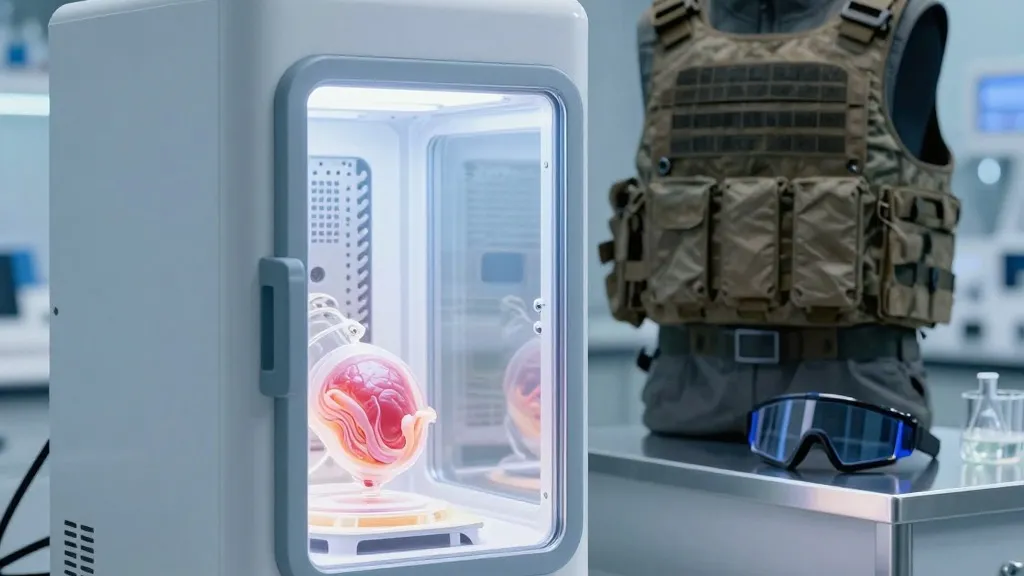
Anduril’s role is focused on the hardware and software side of the operation. The company will provide protective gear, including vests and goggles, equipped with data sensors. These tools are designed to give handlers real-time situational awareness, allowing them to better understand the environment the dog is navigating. Lamm described this as enhancing the dog “on top of the dog, not in the dog,” ensuring that the animal is safer and healthier beyond just its genetic makeup. This combination of biological and technological enhancements aims to better protect both the canine and its human handler during operations.
The timeline for this innovation is aggressive. Lamm stated that the first batch of dogs is currently being cloned and incubated, with births expected early next year. If all goes according to plan, these animals could begin active service within two years. Viagen, another company owned by Colossal, will handle the cloning process, leveraging a technology that boasts a high success rate and is already used in endangered species protection programs. While the specific pricing for these genetically enhanced dogs has not been determined, the company plans to sell them to first responders, the Department of Defense, and various police forces.
In terms of oversight and welfare, Warhound is working under the guidance of the American Humane Society to certify its training programs. Each dog will undergo standard military working dog training and will be managed by the purchasing agency. The company also hopes that when these dogs retire, they will enter the Society’s Military Working Dog Reunification Program, which finds homes for retired service animals. The American Humane Society has publicly supported the partnership, stating that it looks forward to ensuring the animals are treated humanely and ethically.
Luckey serves as a partner in the venture but does not hold equity, according to Lamm. The structure allows Colossal to retain ownership stakes while providing the core biological technology. As the first batch of dogs approaches birth, the project represents a significant shift in how the U.S. plans to integrate advanced biology and defense technology to support its operational needs.
The development marks a new chapter for Colossal, which is widely known for its efforts to resurrect extinct species. By applying its AI-driven gene cloning and identification methods to working dogs, the company is expanding its scope from conservation to practical defense applications. The collaboration between a biotech firm and a defense hardware manufacturer signals a growing trend of converging advanced sciences to address specific military and public safety challenges.
Source: TechCrunch · original report published