New AI Data Center Rules Aim to Cut Local Power Bills
The president wants AI companies to share energy costs with neighbors to win over communities that have protested the new facilities.
By Luka Tanaka ·
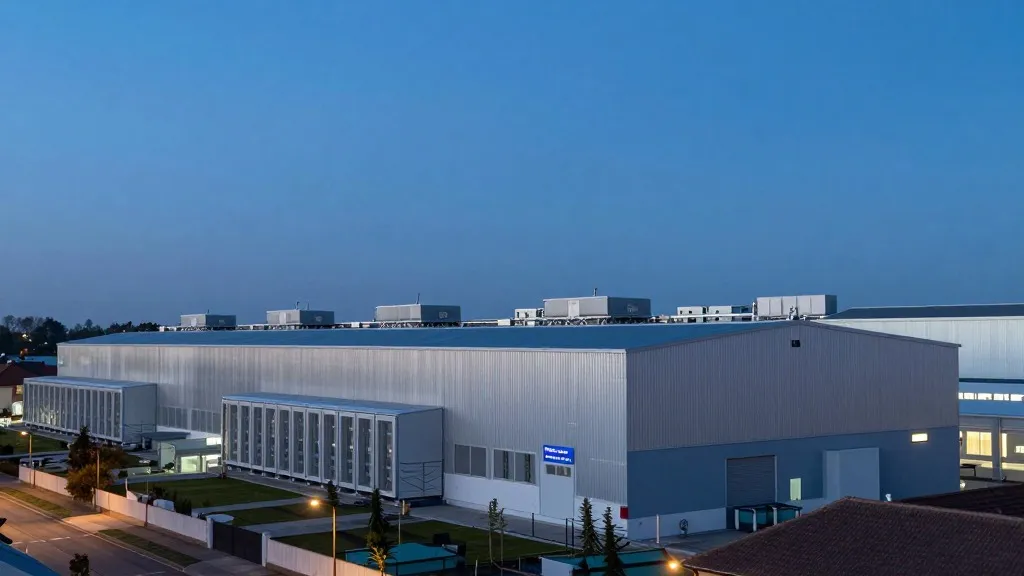
Resentment toward new AI data centers has grown across the region as residents face higher utility bills and more noise. On Tuesday, President Donald Trump announced a new directive to address these concerns. He wants data center builders to pay a dividend to the local communities where they operate.
The goal is to make these large facilities more acceptable to neighbors. Trump warned that companies would be required to make their own electricity. He also said they must give or sell any excess power back to the local grid. This move is designed to prevent price hikes or even lower costs for residents.
Many small towns have pushed back against these projects in the past. Residents often cite rising electricity rates as a primary concern. They also complain about noise, water shortages, and air pollution. The administration hopes this new financial arrangement will ease some of that tension.
The White House is keen to stay ahead of China in the AI race. It is looking for ways to win back favor with the public. By making data centers pay something back, the administration hopes to smooth the path for more construction. The president suggested that financial deals can turn unpopular projects into popular ones.
In a post on Truth Social, Trump emphasized the need for speed. He stated that data centers have become extremely popular when a financial deal is struck. He urged companies to make deals and get the projects built. The administration previously ordered these companies to generate their own power. They must also cover the cost of grid upgrades so local taxes are not used.
The specific form of the dividend is not yet defined. It may involve partially paying for rising electricity costs. This would directly alleviate a major pain point for homes near the sites. The recently passed act already requires data centers to shoulder grid upgrade costs. Sharing excess energy could further lower local rates.
However, the economic side is only one part of the problem. Data centers consume enormous amounts of water. They also cause ecological damage and pollution. These issues remain major challenges that make the facilities a hard sell in any location. A financial dividend may not solve these deeper environmental concerns.
It remains to be seen if this mandate will satisfy skeptical communities. Critics argue that calling it a dividend is misleading. Companies often do not pay dividends until they are profitable. New data center builds may not reach that stage for years. The near-term power generation often relies on gas-powered generators. These can be noisy and less efficient than conventional power plants.
The administration's push highlights the tension between rapid AI growth and local needs. While the directive aims to lower energy costs, it does not fully address all resident complaints. The coming months will show if this new approach changes how communities view these massive infrastructure projects.
Source: Tom's Hardware · original report published