Gas prices and a stalled war hurt GOP hopes in midterms
Republican strategists report internal alarm as fuel costs stay high and the conflict in Iran enters its eighth month.
By Luka Tanaka ·
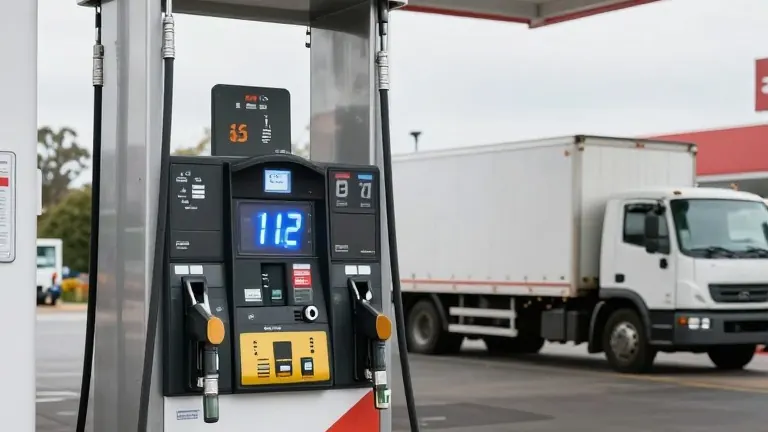
Republican strategists are warning that the war in Iran has become a major obstacle for their party as it seeks to keep control of Congress on November 3. The conflict, which President Donald Trump has called a "little detour," has dragged on for nearly eight months. Trump originally told supporters the fight would last only a few weeks. That timeline has slipped, and the costs have not.
The national average gas price has remained above $4 per gallon since mid-June. Diesel prices are hovering near all-time highs. These spikes are creating pressure in competitive states including Iowa, Kansas, Ohio, and Texas. An AP-NORC poll released last week found that voters from both parties want the next Congress to make life more affordable and end the war.
Noor Dubow, a 44-year-old dispatcher in Columbus, Ohio, usually votes for Republicans. However, he switched to a Democratic ballot this cycle due to his frustration with the war. Dubow works at a trucking logistics firm and sees how high fuel prices disrupt the economy. He asked why Republicans in Congress are not holding Trump accountable for the decision to go to war.
The situation has grown more complex as hostilities spread. Iran-backed Houthi rebels have attacked Saudi oil infrastructure and airports. A Saudi-led coalition responded with deadly strikes in Yemen. The State Department announced over the weekend that it is reducing staff at four U.S. embassies in the Middle East. Officials cited intelligence that Iran is targeting American personnel in the region.
Trump continues to downplay the economic damage. At a rally in Michigan, he told a friendly crowd he had no regrets. He claimed he expected gas prices to double or triple. He described the current costs as a small price to pay for removing a nuclear threat. He also suggested a new round of bombing could follow the election, often within the same speech where he predicted a quick end to the conflict.
Christopher Borick, director of the Lehigh University Opinion Observatory, said Trump's mixed messaging is not resonating with a shrinking group of voters. He noted that for those disappointed with the conflict, the president's claims do not change their negative outlook. Five Republican strategists told The Associated Press in early summer that they saw warning signs. They reported that districts Trump won easily in 2024 are looking more competitive.
Oil prices peaked in May, fell in June, and surged again in September. Campaign officials said internal polls showed voters linking the war to higher grocery and travel costs after Labor Day. Trump has dismissed critics as pushing a "hoax" invented by Democrats. However, internal polling suggests his argument is not landing with the public.
Some Republican voters remain split. Clay Coey, a 59-year-old auctioneer in DeWitt, Michigan, said he cringes when filling his old car. Yet he is willing to pay higher prices to eliminate a security threat. Sean O'Brien, a 21-year-old student in Alabama, feels betrayed by the departure from Trump's "America First" pledge. O'Brien, who considers himself an independent, expects to vote Democratic in November.
Source: Sentinel Colorado