
Denver Rental Aid Budget Falls
City officials face a sharp drop in funding for emergency housing support as residents plead for stability.
By Luka Tanaka ·
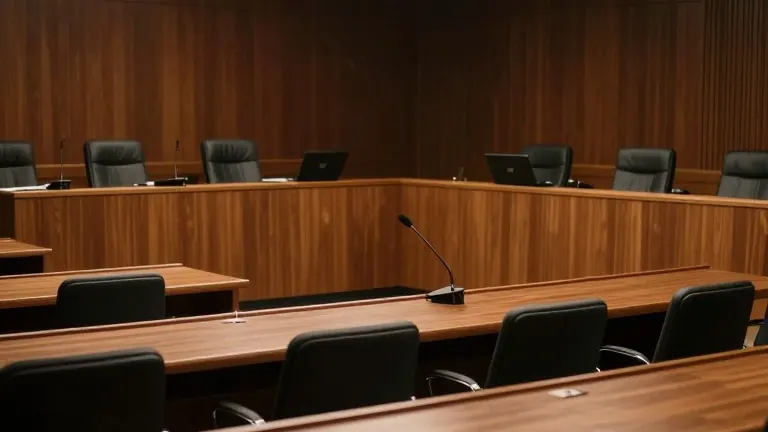
Denver City Council members listened to resident testimony on Monday night regarding the future of the Temporary Rental and Utility Assistance program. The program, known as TRUA, provides financial help to families facing eviction. Patrick Self, a Denver resident, addressed the council to describe the personal impact of the aid. He stated that without the assistance, he would likely be dead. Self told the group that the program allowed him to figure out his situation and survive a critical period in his life.
Enrique del Castillo, another resident, shared a similar account with the council. He explained that the support allowed him to rebuild his life and look forward to a stable future. The council heard these comments as it considers the program's financial trajectory. Funding for TRUA has declined steadily over the past four years. Zach Neumann, co-founder of the Community Economic Defense Project, provided specific figures to the reporters. He noted that the budget stood at nearly $30 million in 2023. That amount dropped to $12 million in the following year.
The proposed budget for the upcoming year is less than $5 million. Neumann described this shift as an 80 to 70 percent drop in funding for families at risk of eviction. He argued that rental assistance is the primary method for keeping people in their homes. Neumann is supporting a request from the City Council to Mayor Johnston. The request asks for an increase in the TRUA budget to $10 million for 2027.
Neumann explained that emergency rental assistance often solves the problem entirely. When a landlord is paid, the tenant's debt is cleared and the family can keep their housing. He noted that this specific intervention is often the only service a family needs. Neumann contrasted this with the cost of rehousing an evicted individual. He said the average cost of assistance is about $7,000. That figure is roughly one-third of the price required to get a person back into housing after an eviction.
Neumann also highlighted the income disparities faced by many clients. He described households with two adults who hold multiple jobs. He explained that even with four jobs, families often cannot cover rent, car payments, food, and childcare. The income falls short of the total monthly obligations. Del Castillo added his perspective on the fragility of housing stability during his testimony. He stated that homelessness can happen to anyone who has worked hard and remained responsible. He noted that bad circumstances can change a person's situation through no fault of their own.
The council will now move forward with budget deliberations for the 2027 fiscal year. The proposed cut represents a substantial reduction in the available funds for emergency aid. Residents continue to rely on the program to prevent displacement from their homes. The gap between the proposed funding and the requested amount remains the central issue for the city's housing strategy.
Source: KMGH-TV