China plenum targets party discipline
Leaders gather for four days to tighten oversight of cadres ahead of the 2027 leadership transition.
By Bianca Zhao ·
Chinese political leaders opened a four-day session Monday to tighten discipline within the ruling Communist Party. The gathering, designated as the fifth plenum of the Central Committee, focuses on enforcing stricter standards for officials. President Xi Jinping delivered a work report at the start of the meeting. He also presented a draft policy decision aimed at advancing rigorous party self-governance.
The plenum occurs roughly one year before Xi is expected to secure a fourth five-year term. The meeting serves as a key step in aligning official conduct with Beijing's strategic goals. Analysts view the session as a mechanism to ensure the next generation of leaders shares Xi’s assessment of national risks. Ruby Osman, a senior policy adviser at the Tony Blair Institute for Global Change, noted that the timing is critical for institutional stability. She stated that the plenum ensures rising officials align with Xi's view of the opportunities and China faces.
Xi’s anti-corruption efforts have defined his rule since 2012. The campaign has expanded beyond purging rivals to target underperforming cadres. The number of officials punished for formalism and bureaucratism has surged in recent years. These penalties address dereliction of duty, inaction, and reckless acts that hinder development. Xi warned against two-faced people who profess loyalty while privately defying orders. He emphasized the need to elevate cadres who are consistent in word and deed. His comments, reported in the Qiushi Journal, stressed the importance of identifying true loyalty during leadership transitions.
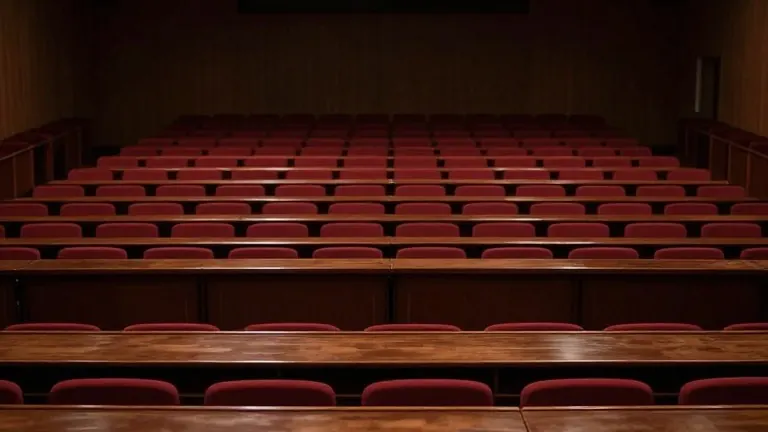
The physical presence of delegates provides a metric for the scale of recent purges. The central committee began its 2022 term with more than 370 full and alternate members. Neil Thomas, a senior fellow at the Asia Society Policy Institute, and colleagues Lobsang Tsering and Shengyu Wang estimated that fewer than 80% of members may attend. This potential turnout would set a record low for a plenum since 1976. The researchers noted that 42 of the 44 military-affiliated officials elected as full members in 2022 have since been purged or disappeared. The empty seats will serve as a visual indicator of the impact of the anti-graft drive.
Officials remaining in the room face tighter scrutiny on public spending and major projects. Thomas expects increased use of technology to uncover corruption and stricter consequences for failing to meet policy goals. Mingda Qiu, a senior analyst at Eurasia Group, said the message from Beijing is that the anti-corruption campaign is not winding down. He added that officials are now tested for compliance and action, not just loyalty. Xi’s policy proposals reflect a focus on party self-revolution to sustain his political priorities across leadership cycles.
Personnel changes may occur, though Xi might wait for the next Communist Party Congress in 2027. Steve Tsang, director of the SOAS China Institute, said any new appointments at this plenum would likely go to loyalists. The session is expected to prepare the ground for a fourth term by reinforcing expectations of policy continuity. Xi removed presidential term limits in 2018 and is widely viewed as the most powerful leader since Mao Zedong. The plenum aims to position him for confirmation as party leader in the fall of 2027.
Source: NPR