Tesla Builds Its Own Maps to Fix FSD Failures
Tesla is developing a proprietary mapping system to correct recurring errors in speed limit detection and routing.
By Luka Tanaka ·
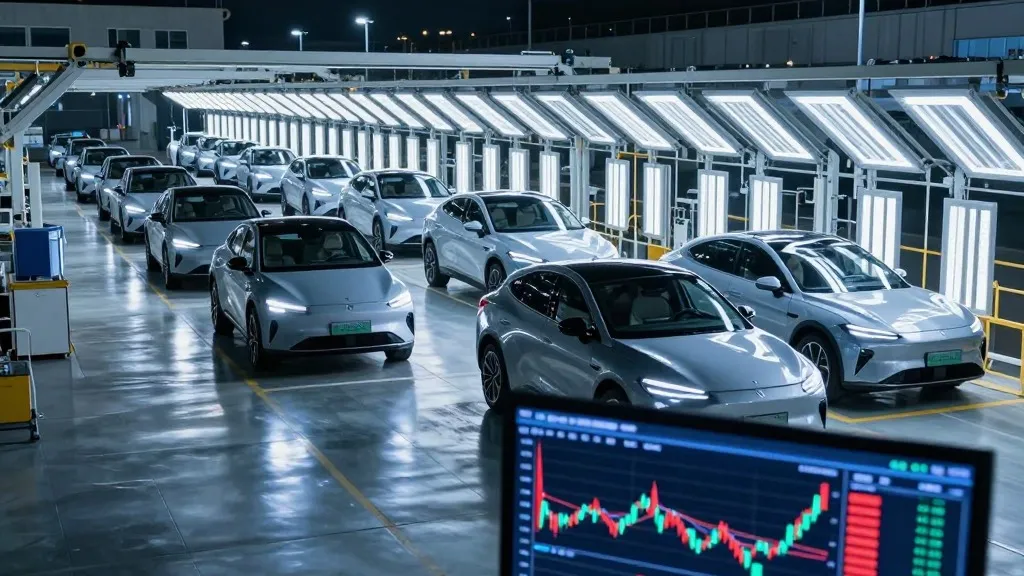
Tesla is now creating its own maps to fix persistent errors in its Full Self-Driving system. The company aims to improve how its cars read speed limits, find parking spots, and choose routes. This marks a major change in strategy for the automaker.
For years, Tesla’s leadership argued against using detailed maps. They claimed such systems made driving software too fragile. Now, the company is doing exactly what its main rival, Waymo, has done for years. Tesla’s fleet of cars is collecting data to build a map. This map helps the software understand what the cameras cannot see on their own.
The news came from Tesla’s third-quarter 2026 earnings call. A retail investor asked why Tesla still uses third-party maps. They noted that mapping remains a common problem for drivers. Ashok Elluswamy, the VP of AI, agreed with the concern. He stated that Tesla should not depend on external data providers.
Elluswamy explained that Tesla is building a new AI-based mapping architecture. It will use data from the entire fleet. The system will also learn individual driver preferences. It will respond to voice commands. The technology will launch with FSD version 15. It will first handle the start and end of trips. Over the coming months, it will take over navigation and parking tasks.
This shift is notable given Tesla’s history. In 2019, CEO Elon Musk dismissed high-precision maps. He called them a huge mistake and a bad idea. He argued they made systems brittle. At the same time, he criticized lidar sensors. He said Tesla would solve driving with cameras and AI alone.
Seven years later, the strategy has evolved. Tesla is adding a map layer from its own fleet. It aims to fix issues the vision system often gets wrong. Speed limits are a key area of concern. A Belgian safety group found FSD speeding in 55% of 30 km/h zones in Brussels. The cars often misread signs as 50 km/h. In the US, regulators are weighing an investigation into speeding in school zones.
The new approach mirrors Waymo’s model. Waymo drives its cars through cities to map them. Tesla is now doing the same thing. The main difference is that Waymo uses lidar. Tesla relies on cameras. Both companies are building maps from fleet data. Both operate within specific geographic areas. This suggests the two approaches are more similar than previously thought.
There is no problem with using maps. Every major self-driving program does. A map built from millions of Tesla cars could be a strong advantage. It may help fix the speed limit issues. This is good news for drivers sharing the road. However, the long messaging that maps were unnecessary has made this change look like a reversal. Tesla is now operating in geofenced areas. This is the very method Musk once said did not count as true self-driving.
Source: Electrek · original report published