Princeton researcher used $20 AI tool to map Georgia primary votes
The method exposed voting selections for a small slice of early in-person voters, raising alarms about ballot secrecy ahead of the 2026 midterms.
By Bianca Zhao ·
A Princeton University researcher reconstructed the voting habits of some Georgia residents using a cheap artificial intelligence tool and open data. Max Springer, a postdoctoral fellow, did not hack voting machines or access confidential files. He used publicly available election records to exploit a known flaw in ballot scanners. His work exposed a vulnerability in how ballot secrecy is protected in many U.S. states.
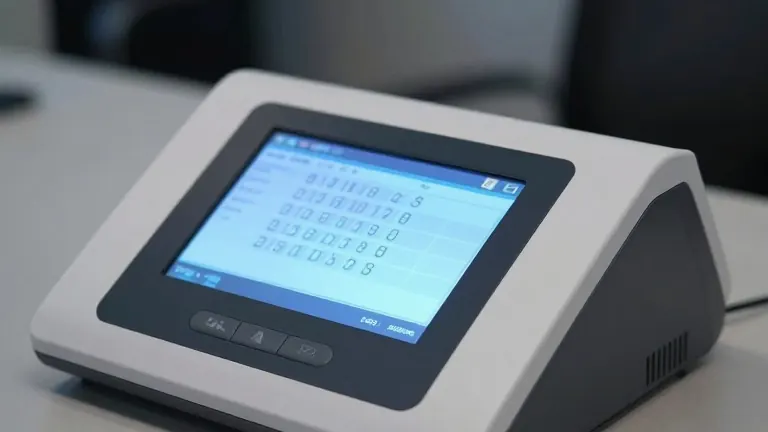
Springer used an AI tool that cost $20 to analyze the data. He focused on Georgia’s primary election. The research involved ballot scanners that assign numbers to electronic ballot records. These numbers are designed to hide the order in which ballots were cast. However, a security flaw known as DVSorder means the numbers follow a predictable pattern. This allows the shuffle to be reversed.
Springer successfully reconstructed the order of nearly 99% of ballots cast in person during the Georgia primary. While ballot order alone does not reveal a specific choice, it provides a framework. By combining this sequence with another public dataset, Springer identified the voting selections of approximately 1% of early in-person voters. The AI also helped identify additional public records that could uncover even more votes.
In some polling locations, Springer wrote that he was able to determine how every voter cast a ballot. The findings show how AI can turn seemingly harmless public information into a tool for identifying individual choices. This challenges the secret ballot, a fundamental protection in American elections. The ability to verify how a person voted opens the door to potential intimidation or vote-buying.
Former Maricopa County Supervisor Bill Gates leads Arizona State University’s Mechanics of Democracy Lab. He says protecting ballot secrecy is essential for public confidence. Gates noted that it is public knowledge if someone voted, but their specific choices remain secret. “It is public information whether or not someone has voted, but how they voted, which particular candidates they voted for, whether they voted in favor of a proposition or not, that is something that is secret information,” Gates said.
He warned that if people believe their votes could be known by others, it might discourage participation. The concern extends beyond simple privacy. If someone can verify another person’s vote, it creates opportunities for coercion. Gates believes election officials need AI expertise to defend against these emerging threats. “Just the same way that we had cybersecurity experts who could deal with the hackers, now we have to have experts in AI who can respond, protect information,” he said.
Maricopa County uses the same family of Dominion ballot scanners at the center of the Georgia flaw. The DVSorder weakness was disclosed in October 2022 by University of Michigan researchers. Dominion released updated software to address the issue. This software received federal certification in March 2023.
Maricopa County upgraded its Dominion election management software before the 2024 election. County records show the upgrade was completed. The Arizona Secretary of State’s latest equipment inventory indicates the county will use an even newer version in November 2026. Georgia has not yet updated its software in the same way.
Arizona’s other 14 counties use equipment from different manufacturers. The Georgia findings highlight a challenge for election officials balancing transparency with secrecy. Arizona counties release detailed election records so the public can examine results. The research demonstrates that combining public data can expose details meant to stay private.
Springer’s work serves as a practical example of how AI interacts with election infrastructure. The tool used cost $20 and relied on data already available to the public. The vulnerability in the scanner software allows the reconstruction of ballot order. This process enables researchers to link individual records to specific voting choices in some cases.
Source: KTVK