New Index Ranks Pacific Cables Owned by US Tech Giants as High-Risk Targets
A report from the US-China Economic and Security Review Commission identifies specific vulnerabilities in undersea infrastructure amid rising Chinese naval activity.
By Bianca Zhao ·
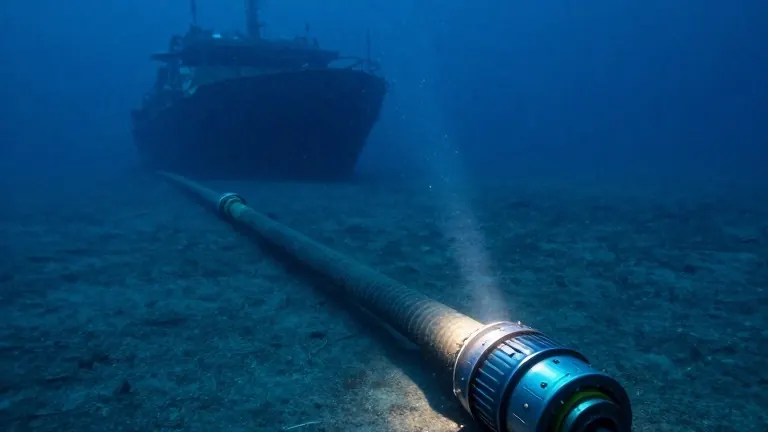
Subsea data cables owned by American firms such as Google and Meta now face elevated risks of deep-sea sabotage in the Pacific Ocean. A new assessment places these specific infrastructure projects at the top of a vulnerability ranking, citing the frequency of Chinese research vessel activity in the region. This development coincides with ongoing investigations into Chinese commercial ships suspected of cutting cables in European and Asian waters.
The risk environment has shifted from routine accidents to strategic threats. Historically, the majority of undersea cable damage resulted from bottom-trawling fishing nets, ship anchors, storms, or landslides. Analysts now warn that rising international tensions have increased scrutiny on suspicious incidents. Russia and China are viewed as potential actors using cable tampering as a gray zone tactic to exert pressure without triggering direct military conflict.
The vulnerability data comes from a report commissioned by the US-China Economic and Security Review Commission. This independent body advises Congress on economic and security matters. The research was conducted by the London-based think tank China Strategic Risks Institute and released in September 2026. The report provides a detailed analysis of how Chinese maritime activities intersect with critical US-owned digital infrastructure.
The authors developed an interactive tool called the Trans-Pacific Cable Gray Zone Vulnerability Index. This index ranks undersea cables based on their exposure to potential interference. It displays a map of cable routes spanning the Pacific. The tool is designed to help decision makers prioritize which lines require underwater sensors or patrol monitoring.
The index evaluates several specific factors to determine risk levels. These include the depth of the cable routes, nearby shipping traffic, and the ownership of the lines. The assessment also considers China’s exclusive economic zone and its broader territorial claims. A key variable is whether a cable connects to Taiwan, a self-governing island democracy that China claims. China has increased military maneuvers involving warships and aircraft around the island in recent years.
The report highlights that cables linking to Taiwan face distinct geopolitical pressures. The index serves as a practical resource for identifying priority targets for defense measures. It moves beyond general warnings to provide a structured method for assessing specific infrastructure weaknesses. The data supports targeted investments in monitoring and protection for the most exposed lines.
Source: Ars Technica