NHTSA Mandates Cyan Lights to Identify Autonomous Vehicles
Federal regulators aim to standardize external lighting for self-driving cars while removing obsolete manual control requirements.
By Amir Mwangi ·
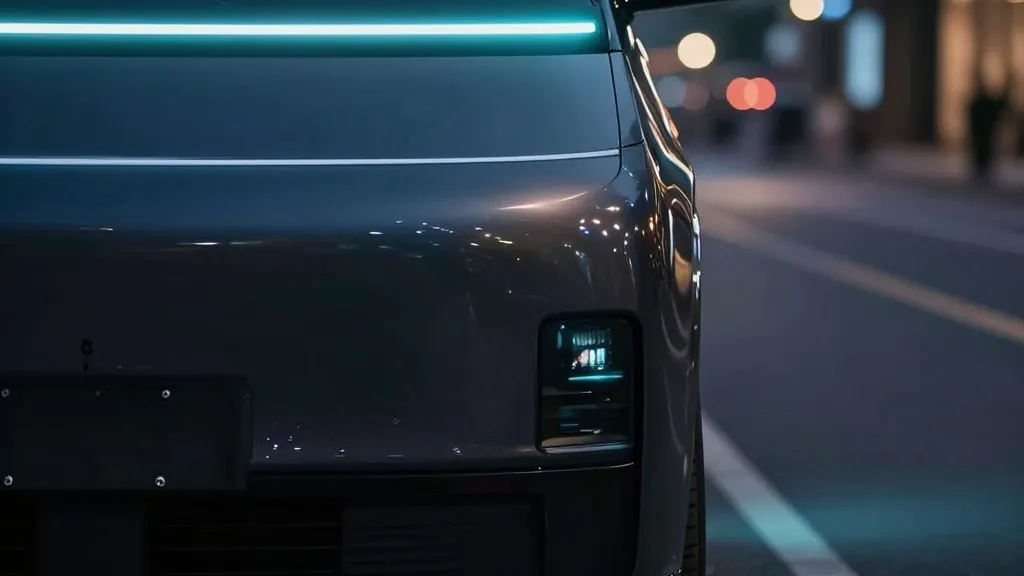
The National Highway Traffic Safety Administration has moved to define the visual identity of the self-driving car era by proposing a uniform cyan light for autonomous vehicles. This regulatory step seeks to resolve a long-standing industry debate over how driverless machines should communicate their operational status to pedestrians and police. By selecting a specific blue-green hue, the agency intends to create a clear and consistent signal that distinguishes automated driving systems from conventional human-operated traffic.
The path to this proposal began with years of fragmented approaches across the automotive sector. Companies previously explored various methods, including flashing text displays, audio alerts, and custom lighting configurations, to indicate that a vehicle was operating without a driver. However, the lack of a unified national standard led to potential confusion on the road. The current proposal rewrites Federal Motor Vehicle Safety Standard No. 108 to address these inconsistencies and adapt existing rules for vehicles that no longer require human intervention.
The choice of cyan is strategic. The auto industry has long reserved red, amber, white, and flashing blue or red lights for specific functions such as braking, turn signals, and emergency responses. Cyan fills a visual gap in this spectrum, offering a distinct color that road users are unlikely to confuse with existing signals. There is also precedent for this approach, as Mercedes-Benz previously received state-level approval for turquoise lights on its Level 3 Drive Pilot vehicles, although the company later pivoted to a different system.
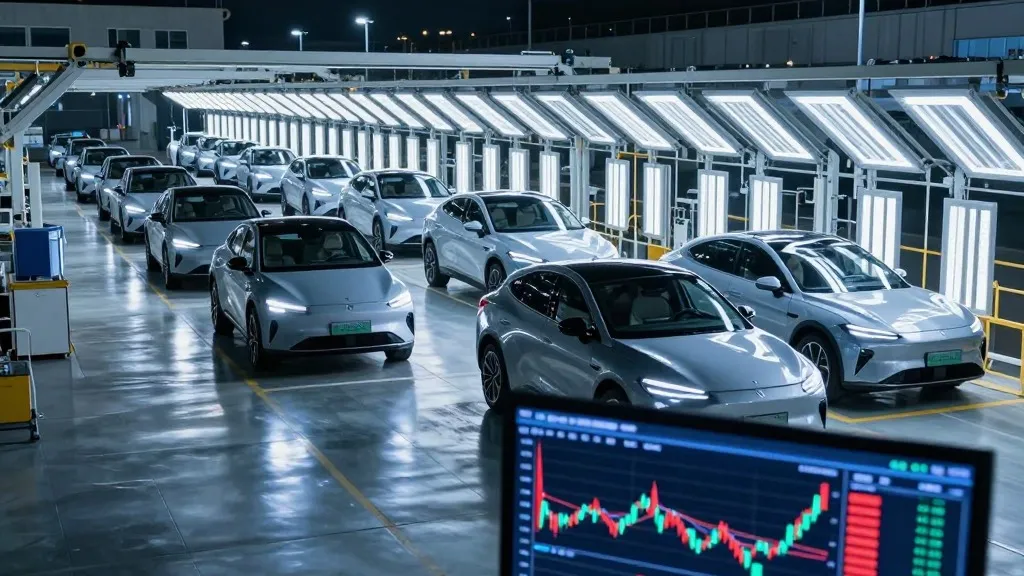
Under the new proposed rules, cyan marker lamps would remain optional for manufacturers. However, if automakers choose to install them, they must adhere to official federal standards regarding color, brightness, and placement. This ensures that operators like Waymo, Nuro, and Zoox, along with manufacturers like GM, can deploy a consistent legal setup rather than a confusing array of varying designs. The goal is to allow for uniform adoption across the industry.
The agency is also streamlining other aspects of vehicle lighting and control. The proposal aims to eliminate requirements for physical hazard switches, manual beam shifters, and turn levers inside vehicles that lack human drivers. Additionally, NHTSA is updating the 12.8-volt testing standard to accommodate modern LED architectures and is considering removing rules that dictate the relative placement of high-beam and low-beam lights. These changes reduce administrative hurdles for manufacturers building cars without traditional controls.
This regulatory update is part of a broader Department of Transportation initiative to facilitate the deployment of autonomous vehicles. The government aims to simplify the process for building cars that may lack steering wheels and pedals. Yet, the transition remains complex. Regulators are still enforcing current rules strictly, as seen last month when NHTSA opened an audit query into the Tesla Cybercab. The inquiry examines the technical data Tesla used to certify the vehicle, focusing on the absence of sideview mirrors, pedals, and steering wheels required under current standards.
As the industry moves toward these new standards, the focus shifts from debating the color of the light to implementing the infrastructure for driverless travel. The proposed rule provides a clear roadmap for manufacturers to integrate these signals, ensuring that as more autonomous vehicles join the fleet, they do so with a recognizable and standardized identity.
Source: The Verge · original report published