Florida Tax Vote: Amendment 3 seeks $250,000 homestead exemption
Voters must decide by Tuesday whether to cut local revenue by nearly $12 billion, a move critics say will strain essential public services.
By Amir Mwangi ·
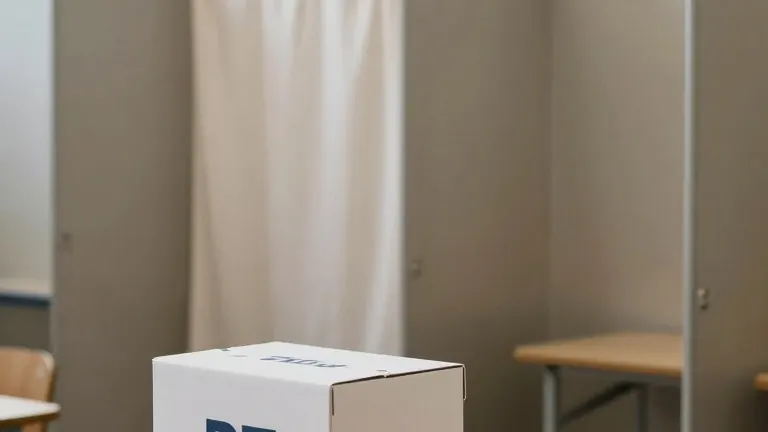
A proposed amendment on the Florida ballot could exempt up to $250,000 of a homeowner's value from property taxes, cutting nearly $12 billion in recurring local revenue.
The measure, known as Amendment 3, asks voters to raise the homestead exemption cap from $50,000 to $250,000 over two years. If approved, the change would reduce the tax base for local governments across the state. Jacksonville’s Office of Economic and Demographic Research estimates the loss would amount to almost $12 billion in ongoing revenue.
Supporters argue the cut is necessary because property values have surged since 2019. Local property tax revenue grew from roughly $32 billion to nearly $60 billion in the last fiscal year. Margy Grant, CEO of the Florida Realtors, said homeowners have funded a record increase in government revenue. Her organization spent $19.5 million on the 'Vote Yes on 3' campaign by the end of October. Grant stated that the measure is about allowing residents to stay in their homes despite rising costs.
Critics warn the revenue loss will force deep cuts to public services. Mike Weinstein, Jacksonville's chief administrative officer, said the city's $2 billion budget relies on $1 billion from property taxes. He noted that funding for mosquito control, road surfacing, libraries, parks, police, and fire departments is at risk. Weinstein argued that a small segment of homeowners will benefit while renters and others see no gain.
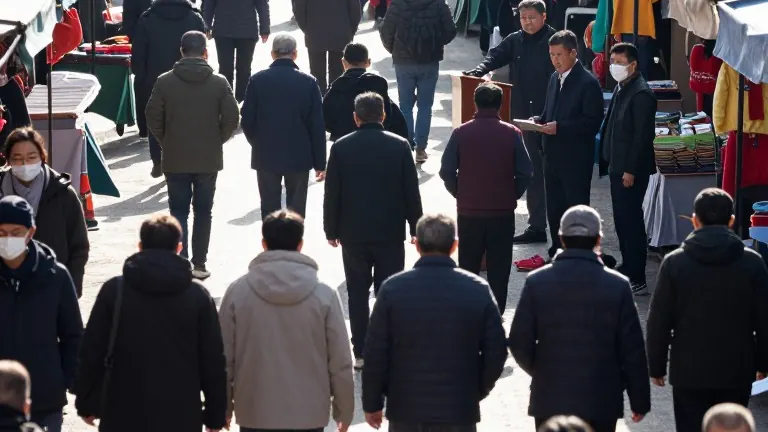
Rachel Dues, a 54-year-old notary and disabled veteran, is among those campaigning against the measure. She relies on food pantries and other local services to manage her budget. Dues said the amendment feels like a bait and switch. She told friends that if the city loses funding, programs that help renters and those in need may disappear. On election day, Dues pushed her 21-year-old niece, Rochelle Covington, in a wheelchair to a polling station in Jacksonville.
Maggie Fernandez, a 68-year-old homeowner, is also working to defeat the proposal. Although she might see some tax relief, she believes the change will hurt local services and those less fortunate. Fernandez joined Florida Rising, a grassroots nonprofit, to make phone calls. Volunteers at the group's office made nearly 1,500 calls on a recent evening. Fernandez made 111 calls in one night, urging neighbors to consider the long-term impact on public infrastructure.
The vote requires a 60% supermajority to pass. Eleven other states have reined in property taxes in 2026, according to the Center on Budget and Policy Priorities. Florida's proposal is more expansive and puts the decision directly to the electorate. The Florida Sheriffs Association warned that emergency services would suffer from the cuts, while proponents like Senator Rick Scott argued that local governments have waste they must cut.
Early voting is underway in Florida. Voters can cast ballots at designated locations across the state. The outcome will determine how local governments fund services such as public transportation, homelessness prevention, and small business support. If the amendment fails, property tax rates will remain unchanged for the next fiscal year.
Source: KIOS-FM