Trump floats making Venezuela the 51st state with a governor
The president proposed replacing the Venezuelan presidency with a state gubernatorial vote during a rally in Texas.
By Amir Mwangi ·
President Donald Trump proposed making Venezuela the 51st state of the United States on Tuesday. He suggested replacing the country's presidential election with a vote for a governor. Trump made the remarks during a campaign rally in Corpus Christi, Texas, where he was supporting Republican candidates for the upcoming midterm elections.
"Let's make it the 51st state and instead of a president, we will have a governor election," Trump told the crowd. This is not the first time the president has floated the idea of annexing the South American nation. His comments come as Washington and Caracas work to restore diplomatic ties following the military intervention that led to the capture of former President Nicolás Maduro.
The proposal coincides with new economic agreements between the two governments. At the rally, Trump thanked the Venezuelan government for signing a deal that grants North American Blue Energy Partners, or NABEP, concessions for 17 oil fields. The Department of Defense holds a 35% stake in the parent company of NABEP. Trump described the relationship between the two countries as "very, very good, excellent" and noted that major US oil companies are investing billions of dollars in the country.
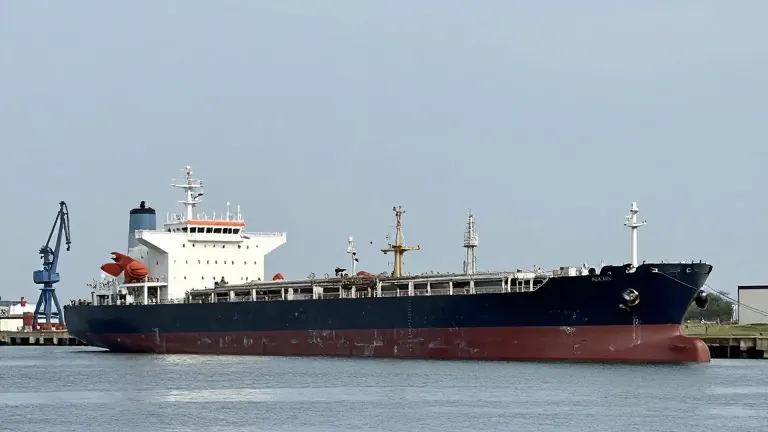
The oil agreement gives the United States access to one fifth of Venezuela's crude oil reserves. Following the rally in Corpus Christi, Trump planned to visit a vessel loaded with Venezuelan oil docked in Texas. He was scheduled to be accompanied by Secretary of State Marco Rubio for the visit.
The State Department announced its support for a plan to reform Venezuela's judicial and electoral systems earlier in the week. Under the proposed plan, current President Delcy Rodríguez would declare the presidency vacant once the reforms are completed. That action would trigger a six month constitutional period to hold new elections, likely in 2027.
Trump's announcement places the future of Venezuela's political system at the center of US policy. The administration is seeking to consolidate relations with Caracas while expanding economic cooperation, particularly in the energy sector. The push for institutional changes and energy access marks a shift in how Washington engages with the South American government.
Source: KTVW-DT