Saintly Relics Return to U.S. Parishes
A shift in practice over the last half-century is reversing as physical remains of saints travel across the country for public veneration ahead of All Saints Day.
By Amir Mwangi ·
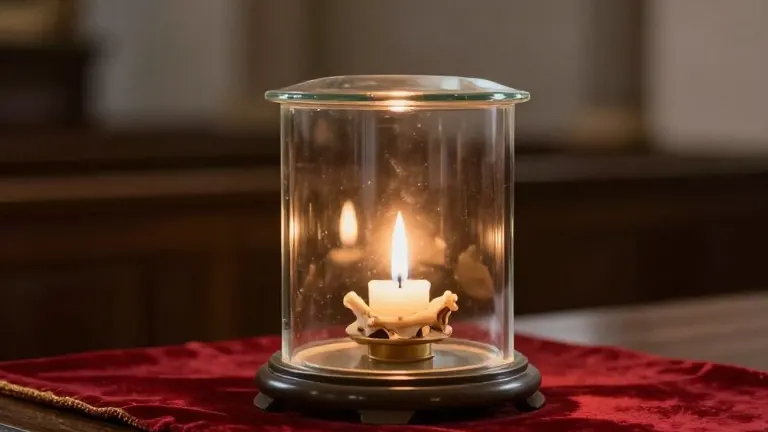
Saintly relics are moving through the United States again, drawing large crowds of Catholic faithful who have not always participated in this specific form of devotion.
The practice has seen a measurable decline over the past 50 years, according to recent reporting. That trend appears to be reversing now. Several sets of remains are currently traveling to different locations across the country. The gatherings have attracted significant numbers of attendees who wish to honor these holy figures.
The veneration of relics is a standard part of Catholic culture, yet it is often misunderstood by outside observers. Critics frequently argue that the practice involves misplaced praise. They claim that worship is directed toward the saint or the physical object rather than God. Theological experts note that God is the only subject of true worship in the Christian tradition.
A clearer understanding of the practice emerges when the concept is compared to secular family habits. Many households keep photographs of deceased relatives. Families often preserve personal items, such as jewelry or books, that belonged to a loved one. These objects are treated with care and respect. They are stored in safe locations and passed down through generations.
These secular items serve as tangible links to the person’s life and memory. The same logic applies to the Church. Catholics view the saints as members of a spiritual family. Honoring the bodies and belongings of these individuals is a way to recognize their dignity and their life of faith.
The Church honors the physical remains of the deceased as a reflection of the human dignity given by God. This includes the proper burial or interment of cremated remains. Relics are venerated, not worshipped. The physical object serves as a concrete reminder that holiness is attainable.
The practice encourages the faithful to reflect on the virtues of the saints and to pray for the grace to achieve a similar life. The upcoming solemnity of All Saints on November 1 provides a specific occasion for this reflection. The feast day marks a major moment in the Church calendar for honoring the community of saints.
Michael R. Heinlein, author of a biography of Cardinal Francis E. George, notes that the saints have put on Christ through baptism. Their presence in the body of the Church makes their physical remains worthy of honor. The veneration expresses gratitude to God for the witness of these individuals.
Source: The Catholic Sun