Israeli voters cast 78% turnout, highest since 1999
With no clear winner, Israeli parties face weeks of coalition talks to secure a parliamentary majority.
By Amir Mwangi ·
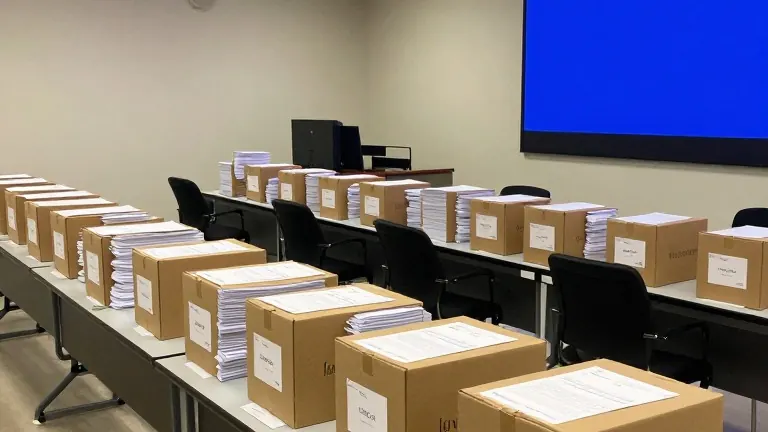
Israelis watched the election results with high expectations, but the outcome left no single party with a clear mandate. The voting took place on Wednesday, marking the highest turnout in over 25 years, with 78% of eligible citizens casting ballots. This surge in participation reflects widespread frustration with the current political establishment.
Benjamin Netanyahu, who has served as prime minister for nearly 17 years, leads the Likud party with 20.8% of the counted votes. His main rival, Gadi Eisenkot, leads the Yashar party with 16.1%. The official count did not specify seat totals, but local media projections suggest Likud and its allies have 53 seats. Eisenkot’s bloc holds 48 seats, while Arab-led parties have secured 19 seats in the 120-seat Knesset.
Neither side has reached the 61 seats required for a majority. This forces parties into complex negotiations. Netanyahu has stated he will not form a government with Arab-led parties, which represent 20% of the population. He called the idea of such a coalition dangerous. Eisenkot, a former military chief, has indicated he is open to working with these parties under specific conditions, including their recognition of Israel as a Jewish state and Hamas as an extremist group.
The Arab-led parties achieved a historic result, with 14.9% of the votes counted. Their performance has reignited debates about national identity and political alliances. Mansour Abbas, leader of the United Arab List, said his party is present and not on the margin. He expressed hope that this result allows for a more rational political future.
President Isaac Herzog is expected to receive the formal results by the end of the week. These final numbers will include approximately 500,000 mail-in votes from military and diplomatic personnel. Herzog is not obligated to ask the leader of the largest party to form a government. He said on Wednesday that the goal is to avoid another round of elections.
If no coalition emerges, Israel may face new elections in early next year. The country held five elections between April 2019 and November 2022 due to similar stalemates. Political observers note that minority governments are possible but would depend on outside parties to pass legislation. The next few days will determine whether Netanyahu remains in power or if a new government takes office.
Voters expressed mixed reactions to the potential alliances. Some welcomed the chance to repair social divisions, while others remained skeptical of partnering with parties representing Palestinian descendants. The political landscape is shifting as parties weigh their options to form a stable government.
The election results reflect anger over the war in Gaza and the exemption of ultra-Orthodox Jews from mandatory military service. Likud’s vote share dropped from 23.4% in 2022. Opponents of Netanyahu argue he prolonged the conflict for political reasons. Supporters say he is the best choice for security and international relations.
Source: KTVW-DT