
Strong El Niño could bring wetter winter and repeated flooding to Hampton Roads
Forecasters expect the climate pattern to increase rainfall and coastal flooding while reducing the chances of snow in Hampton Roads this winter.
By Rahul Mehta ·
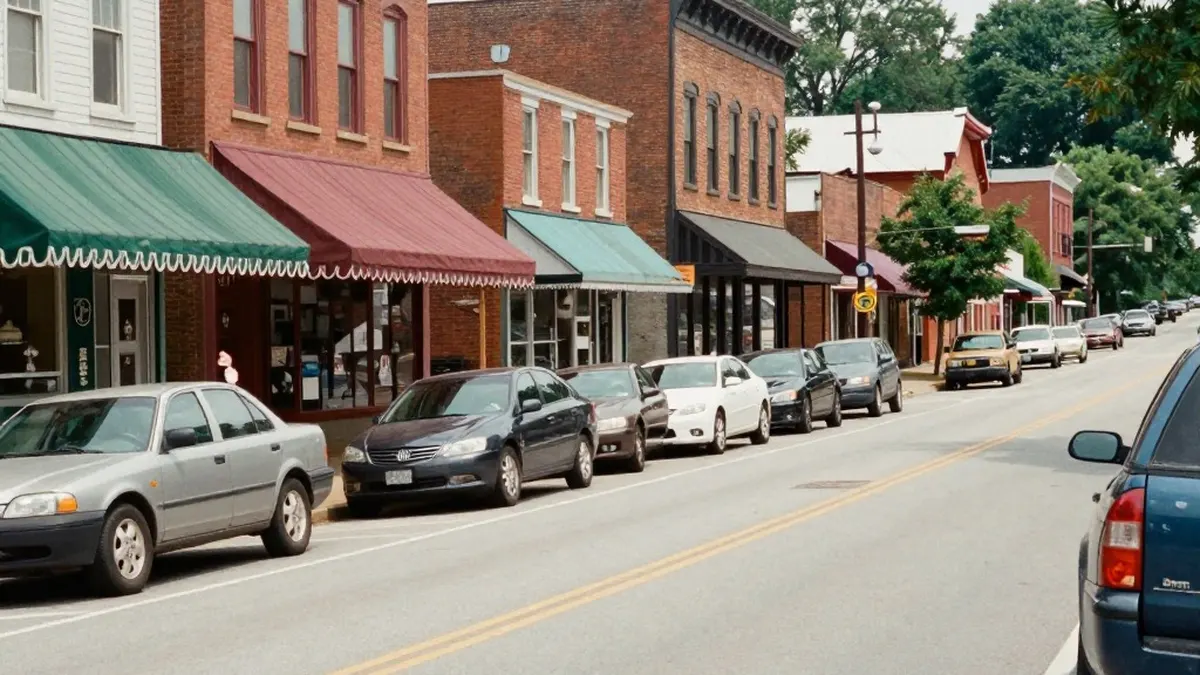
Hampton Roads faces a wetter winter with a greater likelihood of tidal flooding as a powerful El Niño influences weather along the East Coast. The additional rainfall could help Virginia recover from its ongoing drought, but forecasters also expect conditions that could bring repeated coastal flooding. The effects could continue into spring 2027.
Jeff Orrock, meteorologist in charge at the National Weather Service in Wakefield, said the pattern brings more storm systems across the country and encourages others to develop along the coast. Virginia sits immediately north of an area between Charleston and Cape Hatteras in the Carolinas where those storms frequently take shape.
El Niño develops naturally every two to seven years when weaker trade winds allow Pacific Ocean waters near the equator to warm. The previous event began in 2023. Those warmer waters transfer large quantities of heat into the atmosphere, affecting weather worldwide. Officials have described this year's event as a “Super El Niño,” with ocean temperature records set over the past 150 days and the possibility that it could become the strongest recorded.
The pattern can limit Atlantic hurricane activity by increasing wind shear, but its effects change with the seasons. Orrock said El Niño also strengthens the jet stream, which plays a major role in fall and winter weather. A more active jet stream generally brings stormier conditions to the East Coast.
For Hampton Roads, El Niño winters typically bring somewhat higher temperatures and precipitation ranging from roughly half an inch to several inches above normal. A recent Washington Post analysis put Norfolk's risk of extreme winter precipitation at 5.2 times the average. That increased moisture, however, does not necessarily translate into more snow.
Orrock said Norfolk's snowfall amounts tend to decline sharply during stronger El Niño events, although snow remains possible. Instead, the region may experience more rainy days with temperatures in the 30s and 40s, rather than conditions cold enough for snow.
More rain would offer a potential benefit for drought-stricken Virginia. Fall and winter normally allow water supplies to recover as fewer plants draw moisture from the soil, leaving water available to replenish aquifers and reservoirs. Orrock warned that without a wet winter, the state could face serious difficulties in the following spring and summer.
The same conditions could also increase coastal flooding as rainfall combines with high tides pushing water along the coast. Orrock said flooding can recur over successive days and build over time. He described the two recent nor'easters that crossed the region as consistent with the usual El Niño pattern, suggesting more such storms could follow.
Heat released during El Niño adds to warming caused by fossil fuel emissions. Scientists continue to study whether climate change is making the natural phenomenon stronger. Many officials view the exceptionally warm ocean temperatures as a limited indication of climate conditions that could lie ahead.
Originally published by News Media House · Source: WHRO Public Media