Baghdad absorbs 2,500 Sinjar fighters, triggering Kurdish pushback
The Iraqi government has integrated the Yazidi-led Sinjar Resistance Units into federal security forces, a move Ankara supports but Erbil disputes, leaving 89,700 displaced people still waiting to return home.
By Luka Tanaka ·
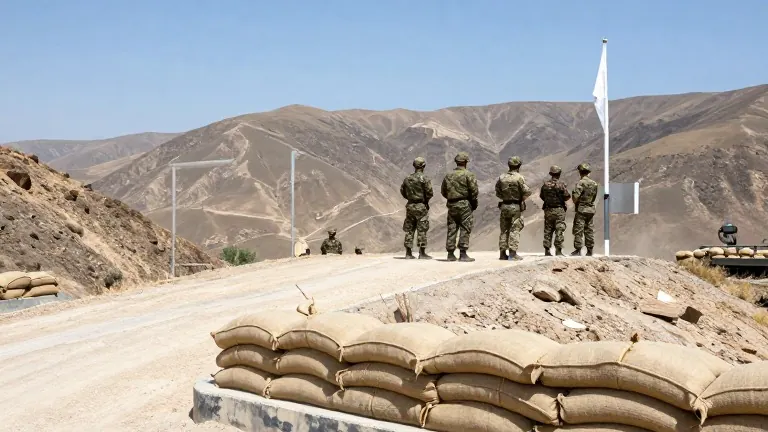
The Iraqi government formally integrated the Sinjar Resistance Units into state security structures on Monday. A ceremony marked the official handover, bringing an estimated 2,500 local fighters under the command of the Iraqi security forces. Prime Minister Ali Faleh al-Zaidi announced the measure last month following a meeting with the Yazidi Cause Alliance. The alliance is led by Iraqi MP Murad Ismael, who stated that the implementation began immediately with the transfer of key positions on Mount Sinjar to the Iraqi Army.
The Sinjar Resistance Units, linked to the Kurdistan Workers' Party, were formed in the 2000s to protect the Yazidi minority. The group mobilized in August 2014 to fight the Islamic State, which killed at least 5,000 Yazidis and abducted thousands of women and girls during a genocide in the region. Ismael noted that the state is now working out the specific details for where these fighters will be integrated, confirming that they will join multiple branches of the security forces rather than a single unit. Lists of names were handed over to Baghdad to begin the administrative process.
The integration has created immediate friction with the Kurdistan Regional Government. KRG Interior Minister Reber Ahmed voiced concerns on Tuesday, arguing that Baghdad should have implemented the UN-backed 2020 Sinjar agreement. That agreement called for the removal of non-state actors from the governorate. Ahmed stated that steps taken without consultation with Erbil would not restore stability or help displaced Yazidis return. In response, Sabah al-Numan, spokesperson for the Iraqi prime minister, asserted that the measures are entirely subject to Baghdad's authority and aim to reinforce the rule of law.
The conflict in Sinjar is viewed by many as a proxy struggle between regional powers. Sinjar-based analyst Ahmad Shingali described the situation as a clash between the ruling Kurdistan Democratic Party and other factions, driven by the interests of Iran and Turkey. The fall of the Assad regime in Syria in 2024 reduced Sinjar's strategic value to Iran as a route to Damascus. Turkey, which opposed the presence of the YBS due to its PKK links, has shifted its stance. Ankara initiated a peace process with the PKK in October 2024, allowing it to accept the integration of local forces into the state.
Mehmet Alaca, a senior adviser at Babil Research in Ankara, said Turkey categorically supports the integration of armed groups into state institutions. He explained that Turkey's main concern was PKK cadres arriving from outside the region, not local forces. The Turkish Ministry of Defence welcomed Iraq's efforts on Wednesday. In a related move on 23 September, Turkey and Iraq agreed that the Turkish army would hand over the Zilkan military camp in Bashiqa to the Iraqi military. This transfer is conditional on Iraq ending the presence of what Ankara calls banned foreign elements in Sinjar.
Despite the security integration, major administrative challenges remain. Yazidi activist Mirza Dinnayi described the path forward as a grey zone, dependent on the political will of all partners. He emphasized that success requires Baghdad to normalize the situation without excluding local actors like the KDP. Dinnayi also highlighted the need for Baghdad to invest in reconstruction and create a proper plan for the return of internally displaced persons.
According to an August report by the International Organization for Migration and the UN Refugee Agency, 89,709 people, mostly Yazidis, remain displaced in camps in the Kurdistan Region. They have not returned home due to security concerns, weak governance, and a lack of compensation. Shingali noted that these residents effectively serve as political leverage between Erbil and Baghdad. The KRG cannot provide them with a dignified life in camps, while the federal government has yet to resolve their status or compensate for their losses.
Sinjar has lacked a mayor since the 2023 provincial elections due to factional disputes. The Nineveh Provincial Council recently opened a nomination window to fill the post. Former MP and Sinjar district mayor Mahma Khalil argued that Sinjar should be established as a region with its own administration in accordance with the Iraqi constitution. He stressed that the people need compensation, displaced persons need to return, and destroyed homes need rebuilding.
Numan stated that the government is working with local authorities in Nineveh to select a competent local administration that enjoys consensus. Baghdad has plans for economic development and reconstruction, aiming to establish security and service conditions that facilitate the safe return of displaced families. Numan identified the administrative stalemate and the plight of the displaced as the two largest hurdles to restoring normalcy to the district.
Source: Middle East Eye